
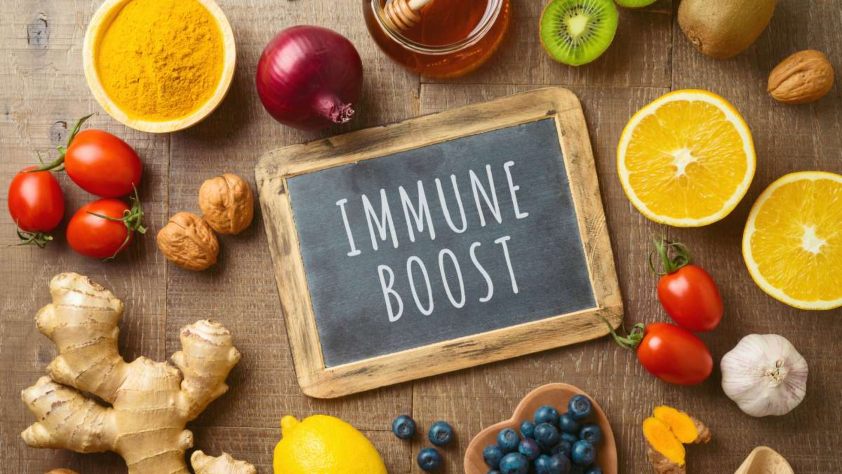
Understanding the Role of Nutrition in Immunity
The immune system is the body’s natural defense mechanism, protecting against infections, viruses, and harmful bacteria. A strong immune system does not develop overnight; it is built through consistent healthy habits, especially proper nutrition. The foods you consume daily directly influence how effectively your body can fight off illnesses.
Immunity depends on a variety of nutrients working together to support cell function, reduce inflammation, and enhance the body’s response to threats. When the diet lacks essential vitamins and minerals, the immune system becomes weak, making the body more vulnerable to infections.
Rather than relying solely on supplements, focusing on natural, whole foods provides a balanced combination of nutrients that work synergistically. A diet rich in fruits, vegetables, lean proteins, and healthy fats helps strengthen immune defenses in a sustainable and effective way.
Key Immunity Boosting Foods to Include Daily
Certain foods are particularly powerful in enhancing immune function due to their high nutrient content. Citrus fruits such as oranges, lemons, and grapefruits are rich in vitamin C, which helps stimulate the production of white blood cells. These cells are essential for fighting infections and maintaining immune strength.
Leafy green vegetables like spinach and kale are packed with antioxidants and vitamins that support immune response. They also contain fiber, which helps maintain gut health—an important factor in immunity.
Garlic is widely known for its natural antibacterial and antiviral properties. It contains compounds that enhance immune cell activity and help the body respond more effectively to infections.
Ginger is another powerful ingredient that reduces inflammation and supports overall immune function. It is especially useful for soothing sore throats and improving digestion.
Protein-rich foods such as eggs, chicken, fish, beans, and lentils are essential for building and repairing immune cells. Without adequate protein intake, the body struggles to maintain a strong defense system.
Yogurt and other fermented foods contain probiotics, which support gut health. Since a large portion of the immune system is linked to the gut, maintaining a healthy digestive system is crucial for overall immunity.
The Importance of Vitamins and Minerals for Immune Support
A strong immune system relies on a consistent supply of essential vitamins and minerals. Each nutrient plays a unique role in supporting different aspects of immune function.
Vitamin C is one of the most important nutrients for immunity. It helps protect cells from damage and supports the production of infection-fighting cells. Vitamin D is equally important, as it regulates immune responses and reduces the risk of infections.
Zinc is another critical mineral that supports immune cell development and function. It also helps reduce the duration of illnesses when consumed regularly. Foods such as nuts, seeds, and whole grains are good sources of zinc.
Vitamin A supports the health of skin and mucous membranes, which act as the body’s first line of defense against pathogens. Carrots, sweet potatoes, and leafy greens are excellent sources of this nutrient.
Iron plays a role in transporting oxygen throughout the body and supporting immune cell function. A deficiency in iron can weaken the immune system and reduce the body’s ability to fight infections.
A varied diet that includes colorful fruits and vegetables ensures a wide range of vitamins and minerals, creating a strong nutritional foundation for immunity.
Lifestyle Habits That Enhance Immune Function
While diet is a major factor, other lifestyle habits also influence immune strength. Hydration is essential, as water helps transport nutrients and remove toxins from the body. Drinking enough water daily supports overall immune efficiency.
Sleep is another crucial element. During sleep, the body repairs itself and produces important immune cells. Lack of sleep weakens the immune system and increases susceptibility to illness.
Regular physical activity improves circulation, allowing immune cells to move more freely throughout the body. Even moderate exercise, such as walking or stretching, can enhance immune response.
Stress management is also vital. Chronic stress releases hormones that suppress immune function, making the body more vulnerable to infections. Practices such as meditation, deep breathing, and relaxation techniques help reduce stress levels.
Maintaining hygiene and proper food safety habits also supports immunity by reducing exposure to harmful bacteria and viruses.
Long-Term Benefits of an Immunity Boosting Diet
Following a diet rich in immunity boosting foods provides long-term health benefits that go beyond preventing common illnesses. One of the most noticeable advantages is reduced frequency and severity of infections. A strong immune system responds more quickly and effectively to threats.
Energy levels also improve, as the body functions more efficiently with proper nutrition. This leads to better productivity and overall well-being. Improved gut health is another major benefit, as it supports digestion and enhances nutrient absorption.
A strong immune system also contributes to faster recovery from illnesses. The body is better equipped to heal and return to normal functioning more quickly.
In the long run, a nutrient-rich diet helps reduce the risk of chronic diseases by lowering inflammation and supporting overall body health. It also promotes healthier skin, better mood, and improved mental clarity.
Most importantly, building immunity through natural foods creates a sustainable approach to health. Instead of relying on temporary solutions, it strengthens the body from within.
Immunity boosting foods are not just a short-term solution; they are a lifelong investment in health and resilience. By making mindful food choices and maintaining healthy habits, you can build a strong defense system that supports a healthier and more active life.