
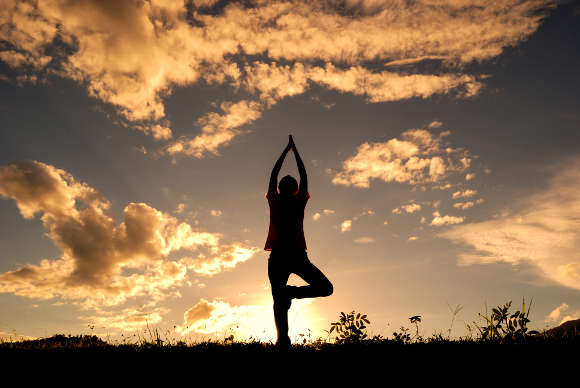
Understanding the Purpose of Daily Yoga Practice
Yoga is more than just a physical exercise; it is a holistic practice that connects the body, mind, and breath. A daily yoga routine helps improve flexibility, build strength, reduce stress, and enhance overall well-being. Unlike intense workouts, yoga focuses on controlled movements, mindful breathing, and inner awareness.
In today’s fast-paced lifestyle, many people experience physical stiffness, mental fatigue, and emotional imbalance. Practicing yoga daily helps restore this balance by calming the nervous system and improving body function. It is suitable for people of all ages and fitness levels because it can be easily adjusted based on individual needs.
Consistency is the key to gaining benefits from yoga. Even a short daily session can lead to noticeable improvements in flexibility, posture, and mental clarity. Over time, yoga becomes not just a routine but a way of life that supports long-term health.
Creating an Effective Daily Yoga Routine
A well-structured daily yoga routine should include a combination of warm-up, poses, breathing exercises, and relaxation. Starting with gentle stretches prepares the body by increasing blood flow and reducing stiffness.
The main part of the session includes different yoga poses that target strength, flexibility, and balance. Standing poses help build stability and improve posture, while seated and lying poses enhance flexibility and relaxation. A balanced routine ensures that all major muscle groups are engaged.
Breathing techniques, also known as pranayama, are an essential part of yoga. Controlled breathing improves oxygen flow, reduces stress, and enhances concentration. Practicing deep breathing alongside poses increases the effectiveness of the routine.
Ending the session with relaxation or meditation allows the body to absorb the benefits of the practice. This final phase helps calm the mind, reduce tension, and promote inner peace.
For beginners, starting with 15 to 20 minutes daily is enough. As flexibility and strength improve, the duration and intensity can gradually increase.
Essential Yoga Poses for Daily Practice
Incorporating a variety of yoga poses ensures a complete and balanced routine. Some poses are especially beneficial for daily practice due to their wide range of physical and mental benefits.
Mountain pose helps improve posture and body alignment. It teaches awareness of body positioning and builds a strong foundation for other poses. Downward-facing dog stretches the entire body, strengthens muscles, and improves blood circulation.
Warrior poses are excellent for building strength and endurance. They target the legs, core, and upper body while improving balance and stability. These poses also help increase confidence and focus.
Child’s pose is a restorative position that relaxes the body and reduces stress. It is often used as a resting pose during practice. Cobra pose strengthens the back and improves spinal flexibility, making it beneficial for those who sit for long hours.
Seated forward bends improve flexibility in the hamstrings and lower back while calming the mind. These poses are particularly useful for relaxation and stress relief.
Performing these poses regularly helps create a balanced routine that supports both physical and mental health.
Benefits of Consistency in Yoga Practice
Practicing yoga daily offers a wide range of physical and mental benefits. One of the most noticeable changes is improved flexibility. Regular stretching gradually increases the range of motion and reduces muscle stiffness.
Strength is another key benefit. Many yoga poses require holding body weight, which builds muscle strength without the need for heavy equipment. This improves overall body stability and endurance.
Mental clarity and focus also improve significantly. Yoga encourages mindfulness, helping individuals stay present and reduce distractions. This leads to better concentration and decision-making.
Stress reduction is one of the most powerful benefits of yoga. Breathing techniques and relaxation exercises calm the nervous system, lowering stress levels and promoting emotional balance.
Yoga also improves posture and reduces body pain, especially in the neck, shoulders, and back. This is particularly beneficial for individuals who spend long hours sitting or working on screens.
Long-Term Impact of a Yoga Lifestyle
Adopting yoga as a daily habit leads to long-term improvements in overall quality of life. One of the most important benefits is better mind-body connection. Individuals become more aware of their physical and emotional state, allowing them to respond more effectively to challenges.
A consistent yoga practice also supports better sleep patterns. Relaxation techniques and stress reduction help the body unwind, leading to deeper and more restful sleep.
Over time, yoga enhances emotional stability. It helps manage anxiety, improves mood, and promotes a sense of inner peace. This emotional balance positively impacts relationships and daily interactions.
Physical health also improves as yoga supports better digestion, circulation, and respiratory function. It strengthens the immune system and helps maintain overall vitality.
Most importantly, yoga encourages a balanced lifestyle. It promotes discipline, self-care, and mindfulness, which contribute to long-term health and happiness.
A daily yoga practice is not about perfection but about consistency and awareness. With regular practice, it becomes a powerful tool for achieving physical strength, mental clarity, and inner peace.