
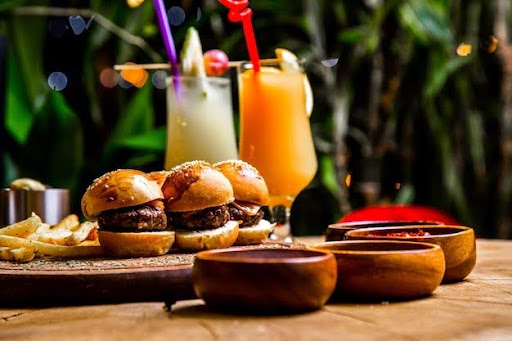
A great game day restaurant menu brings fans together with bold flavors, easy-to-share dishes, and options for different appetites. Whether guests arrive for football, basketball, or a championship match, food should be satisfying without distracting them from the action. Thoughtful planning helps groups order smoothly, enjoy the atmosphere, and make the game a memorable outing.
1. Start with Shareable Appetizers
For groups, a game day restaurant can offer chicken wings, nachos, loaded fries, mozzarella sticks, and crunchy vegetable platters. These familiar starters are easy to pass around and encourage everyone to sample different flavors.
Serve sauces on the side, including barbecue, buffalo, ranch, and salsa, so guests can customize each bite without slowing service.
2. Offer Burgers, Sliders, and Sandwiches
Handheld meals work well when fans want to eat while watching the screen. A game day restaurant menu might include classic cheeseburgers, mini sliders, crispy chicken sandwiches, pulled-pork rolls, or grilled vegetable wraps.
Offer a choice of buns, toppings, and sauces, and consider combo meals with fries or a side salad for guests seeking a complete, convenient order.
3. Add Pizza, Tacos, and Crowd Favorites
Pizza slices and taco platters suit groups because guests can choose different toppings and fillings. A game day restaurant could offer pepperoni, cheese, and vegetable pizzas alongside chicken, beef, or bean tacos.
Sharing platters simplify ordering for larger parties, while clearly labeled ingredients help guests identify spicy options and avoid foods that do not match their preferences.
4. Include Vegetarian and Lighter Choices
A balanced menu gives every fan something appealing. Alongside heavier classics, a game day restaurant can serve hummus with pita, garden salads, grilled skewers, veggie burgers, roasted corn, or baked potato wedges.
Include dairy-free or gluten-conscious choices when practical, and train staff to explain ingredients and cross-contact risks rather than making assumptions about dietary needs.
5. Create Group Combos and Game Specials
Bundled platters can make ordering easier and help groups understand the cost before they choose. A game day restaurant might offer a wing bucket with fries, a family pizza deal, or a mixed appetizer board sized for four to six people.
Match specials to the event, keep prices clear, and make substitutions available when kitchen operations allow.
6. Plan Drinks, Desserts, and Safe Service
Complete the menu with iced tea, lemonade, soft drinks, mocktails, and desserts such as brownies or shareable cookie skillets. A game day restaurant should also plan staffing, quick payment, and timely refills for busy periods.
Keep hot foods at 140°F or above and cold foods at 40°F or below; discard perishable food left out for over two hours.
Final Thoughts
The strongest game day restaurant menu combines familiar favorites, shareable portions, varied dietary choices, and clear-value specials. Wings, sliders, pizza, tacos, and group platters help fans enjoy the match together, while lighter options make the selection more inclusive. With organized service, safe food handling, and a lively atmosphere, restaurants can turn every big game into a welcoming experience that guests want to repeat for friends, families, and loyal local supporters alike.