
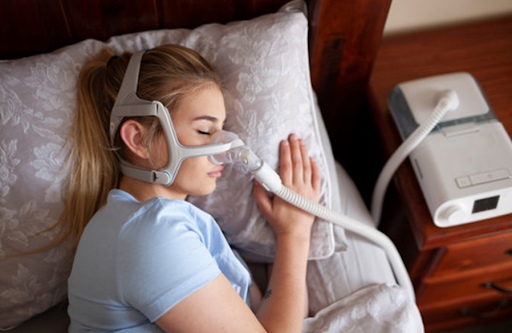
Overnight monitoring of breathing patterns, oxygen levels and body movements is mainly what gets involved when it comes to sleep apnea test in Perth, in order for doctors to check whether breathing is stopping repeatedly or becoming shallow while someone sleeps. Through this kind of testing only, doctors are able to confirm in standard way if a person is really having sleep apnea, rather than depending only on symptoms. Because this condition, many times, goes unnoticed by the very person who is experiencing it, so testing in proper way becomes central for reaching accurate diagnosis and beginning correct treatment.
What Is Sleep Apnea and Why Testing Matters
Sleep apnea can be described as a condition where, throughout the night, breathing keeps pausing briefly again and again. From few seconds up to more than a minute, these pauses can last, and in severe cases, dozens of times within one hour this may be happening. Because during this the person is mostly asleep, on their own they rarely come to know about it. It is usually the partner or someone from family who notices first the loud snoring, or sounds of gasping and choking.
If treatment is not given, then sleep apnea has chances of contributing towards high blood pressure, problems related to heart, poor concentration and tiredness which stays constant during the day. So that these complications do not develop further, confirming the diagnosis through testing helps in starting the right treatment on time.
Common Signs That May Point to a Sleep Study
For recommending testing, there are certain symptoms which doctors often look for. Below, these are included:
- Snoring which is loud and chronic in nature
- Feeling of gasping or choking upon waking
- During daytime, sleepiness which is excessive
- In morning time, headaches
- Throughout the day, difficulty in staying concentrated
- Irritability or changes in mood
- After waking up, dryness in mouth or throat feeling sore
It is not necessary that every person with such symptoms is having sleep apnea, however common enough these symptoms are that a sleep study may get suggested by doctor, for ruling it in or out.
Types of Sleep Apnea Tests
Mainly, for diagnosing sleep apnea, two approaches are generally being used.
In-lab sleep study (polysomnography): Here, at a sleep clinic a night gets spent while sensors keep tracking activity of brain, movement of eyes, rate of heart, levels of oxygen and patterns of breathing. As most detailed form of testing this is considered, and for cases more complex in nature, mostly this gets used.
Home sleep apnea test: A version more simplified, this can be done from home only, with help of portable device for monitoring. Effort of breathing, airflow and saturation of oxygen, typically these get measured through it. For people who have higher chance of moderate to severe obstructive sleep apnea, and no other major complication in health, mostly this option gets recommended.
How Does an In-Lab Sleep Study Work?
In an in-lab study, on scalp, chest and fingertip, small sensors get placed. Brain waves, rhythm of heart, activity of muscles and levels of oxygen in blood, all these keep getting tracked while sleep is happening. From another room, throughout night, a technician is monitoring the data. Even though at unfamiliar place sleeping can feel little different, still enough sleep most people are able to get, so useful results the test can produce.
What Happens During a Home Sleep Apnea Test?
For home test, a device which is compact gets worn overnight, and usually included in it is sensor for nose, clip on finger for oxygen reading, and belt around chest for measuring breathing effort. On next day, back the device gets returned, and by specialist of sleep, the data which got recorded is reviewed.
Is a Sleep Apnea Test Painful or Uncomfortable?
In nature, testing for sleep apnea is non-invasive, and pain does not get involved in it. At start, little unusual some people find sensors for sleeping with, more specially during study which is in-lab, however no needle or procedure invasive gets involved in this. Within short period mostly people get adjusted, and enough rest they are able to get, so results accurate can come.
How Long Does It Take to Get Results?
Within one to two weeks, usually results become available, and this is depending on how fast by sleep specialist the data gets reviewed. Included in results is apnea-hypopnea index (AHI), which shows how many breathing interruptions per hour of sleep happened. How severe the condition is, whether mild, moderate or severe, this number helps in determining.
What Happens After Diagnosis?
Once confirmed the diagnosis gets, on how severe condition is, treatment options depend. Changes in lifestyle, therapy based on position, appliances which are oral, or for cases more significant, continuous positive airway pressure (CPAP) therapy, these may get included. Based on results of individual test and history of health, mostly the most suitable option gets discussed by sleep specialist.
Final Thoughts
Towards better sleep and health overall, getting proper diagnosis is the first step. Whether interruptions in breathing are affecting quality of sleep, this gets helped to identify through sleep apnea test Perth, and information which is needed for choosing right path of treatment, this provides. Along with early diagnosis, early testing, mostly a difference which is noticeable, this makes in levels of energy, concentration and outcomes of health for long term.